In November 1913, suffragettes attempted to burn down the grandstand at Ewood Park, home of Blackburn Rovers Football Club. The attack was foiled, but it formed part of a coordinated campaign targeting sporting venues across Britain.
The Attack on Ewood Park
The Women's Social and Political Union (WSPU) orchestrated the attempted arson at Blackburn Rovers' ground in November 1913. According to records, the suffragettes sought to set fire to the grandstand, but the attempt was unsuccessful. No specific names of those involved in the Ewood Park incident have been recorded in the sources consulted.
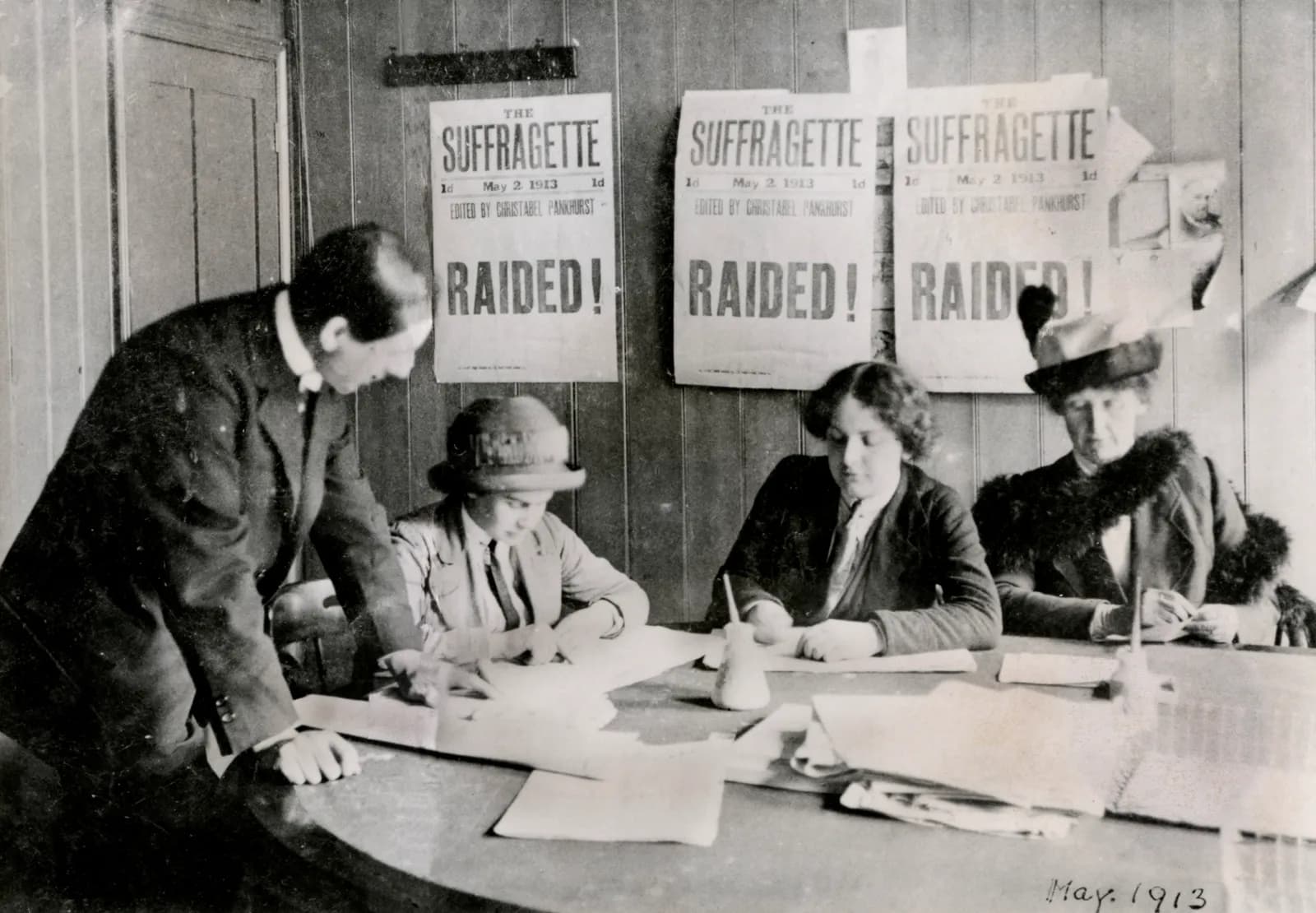
The WSPU, led by Emmeline Pankhurst and her daughter Christabel, had escalated its militant tactics from window-breaking to arson and property destruction during 1912 to 1914. Emmeline Pankhurst described the campaign as "guerrilla warfare" aimed at making "England and every department of English life insecure and unsafe."
Football Grounds as Targets
The attempt on Ewood Park was not isolated. Throughout 1913, suffragettes targeted multiple football grounds as part of a strategy to challenge male dominance by attacking traditionally masculine spaces.
Arsenal's Manor Ground in Plumstead was successfully burned down in 1913, causing £1,000 in damages. Preston North End's ground also faced an arson attempt during the same year. A plot to burn down Crystal Palace FC's grandstand was foiled on 18 April 1913, the eve of the FA Cup Final.
Sporting historian Joyce Kay has documented how Edwardian sport was viewed as a male preserve that suffragettes sought to disrupt. Her 2008 academic article, published in the International Journal of the History of Sport, specifically addresses these attacks on sporting venues.
The Blackburn Post Office Bomb
Blackburn faced a second suffragette incident in 1913. On 8 July, a bomb was placed on the parcel counter at the town's main post office. It was discovered before it could explode. This incident is recorded separately from the Ewood Park arson attempt.
The Militant Campaign in Context
The suffragette bombing and arson campaign ran from June 1912 to August 1914, when the outbreak of the First World War interrupted militant activity. Contemporary sources and historians have classified these acts as terrorism; the campaign killed at least four people and injured at least 24.
Other sporting venues targeted in 1913 included cricket pavilions, with the Nevill Ground at Tunbridge Wells burned on 11 April. Golf courses and tennis clubs were also attacked, and a bomb was planted at Cambridge University's football ground pavilion on 10 May 1913.
Blackburn in 1913
Blackburn was a major textile town during this period, known as "the weaving capital of the world" at the height of its industrial power. The town had a strong sporting culture, with Blackburn Rovers having been founding members of the Football League in 1888. The club had won the FA Cup five times between 1884 and 1891, making it one of the most successful clubs in English football history.
The targeting of Ewood Park reflected both the stadium's prominence and the WSPU's strategy of attacking symbols of male-dominated institutions. Football was seen as a bastion of masculine identity, making grounds like Ewood Park deliberate choices for protest.
Historical Significance
The 1913 arson attempt at Ewood Park is now studied as part of the broader suffragette militant campaign. The incident demonstrates how the WSPU expanded its targets from government property to civilian infrastructure and leisure facilities.
The fact that the attempt was foiled, whilst Arsenal's ground was destroyed, raises questions about security arrangements and local vigilance at different venues. It also illustrates the opportunistic nature of the campaign; not all attacks succeeded, but the cumulative effect was to create an atmosphere of uncertainty.
The campaign is now studied as an early example of "single-issue terrorism," where violence is employed to advance a specific political cause rather than broader revolutionary aims. The suffragettes' tactics remain controversial, with historians debating the effectiveness of militant methods in achieving votes for women.