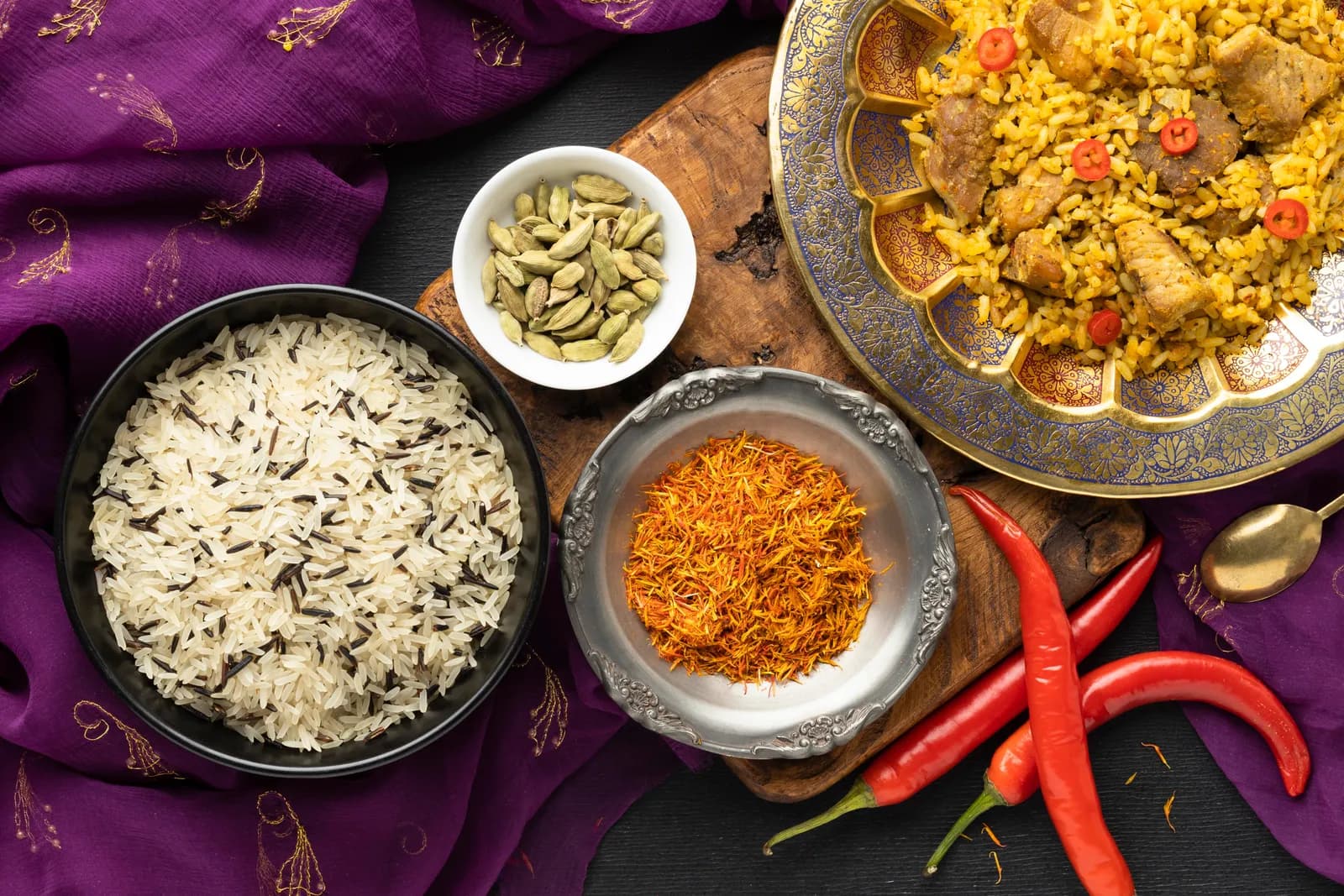
The unmistakable appeal of South Asian food fills the local Blackburn food market
The aroma of freshly baked naan, piping hot kebabs, delicious biryani, rich curries, and the comforting warmth of a cup of karak chai. These flavours are spread everywhere in the town’s food culture, enjoyed across generations, and by people from different backgrounds.
However, South Asian cuisine did not become a sensation in Blackburn overnight. Its roots stretch back to the years after World War 2, when people migrated to the UK from Pakistan, India, and other parts of South Asia to start anew. What followed was a brilliant journey, shaped by hard work, family traditions, independent businesses, and a community passionate about keeping its food heritage alive.
From Cotton Mills to Family Kitchens
Back in the 1940s and 1950s, Blackburn was a centre of Britain’s cotton industry. It needed workers after the war, which led to employers offering employment opportunities, and South Asians benefited a lot from those.
However, during these times, the South Asians found it hard to get familiar ingredients. Halal meat was scarce, and dedicated South Asian restaurants and takeaways were very few. Histories collected by Blackburn with Darwen Borough Council’s Cotton Town archive describe how workers shared living spaces, divided household expenses, and took turns preparing meals. Some skimmed through local farms for meat supplies while others made arrangements with specialist suppliers further afield.
Cooking at home became a norm for these people, and for good reasons. It offered comfort, familiarity, and a connection that people left behind. Traditional dishes, spices, and recipes allowed them to bring familiar flavours into unfamiliar surroundings.
You can say that the early years of South Asian cuisine were mostly a story of home kitchens. Yet those kitchens laid the foundation of today’s thriving South Asian food culture.
The Growth of Communities, Shops, and Food Traditions
As those South Asian communities grew throughout the 1960s and 1970s, more families settled in Blackburn. With this migration came the growing demand for specialist groceries, fresh halal meat, flour, lentils, spices, and more. This fueled the growth of supply networks, which made local food shopping much easier. The children growing up in Blackburn learned to value their family heritage as well as the wider British food culture around them.
This growing community also built the base for independent food businesses. Local shops, caterers, and eventually more restaurants could serve customers who wanted familiar flavours without the need to prepare everything at home.
From Home-Prepared Meals to Blackburn’s Desi Food Houses
By the 1980s and 1990s, South Asian food started getting more popular in Britain. Indian restaurants, curry houses, kebab shops, and takeaway businesses started forming around town. Initially, other South Asians were the only clientele, but this slowly changed, and South Asian cuisine, especially Punjabi foods, became a cheap and comforting food for Brits.
The appeal was understandable. A freshly prepared curry with fluffy rice, warm naan, and various sides had the power to turn an ordinary evening into something flavoursome. Also, grilled meats, kebab platters, and the mouthwatering biryani dish offered other ways to enjoy a satisfying and filling meal.
This brought another major turn of events. British South Asian restaurant menus also adapted to reflect different tastes and dining preferences.
At this point, you must understand something. South Asian cuisine is not one single style of cooking. Pakistani, Indian, Bangladeshi, and other regional food traditions each carry their unique ingredients, specialities, and techniques. Blackburn’s food scene reflects this diversity, with different businesses building their own identities and loyal customer bases.
Newer Generations Bring New Flavours
As the children and grandchildren of early migrants aged up in Blackburn, South Asian cuisine became part of their everyday lives. Traditional family cooking stuck alongside British classics, restaurant dining, and the growing popularity of convenient takeaway meals.
With time, the market expanded beyond traditional South Asian food houses. Regional specialists, grill restaurants, cafes, dessert shops, and street-food ideas added whole new dimensions to the local dining scene.
Today, customers can enjoy a wide variety of flavours and experiences, from slow-cooked chicken meals, freshly baked naans, and strong curries to South Indian specialities, spicy street snacks, and sweet treats.
This diverse array of food is part of what makes South Asian cuisine in Blackburn so interesting. Some want the taste of a unique family recipe they have cherished since childhood, while others want to discover something new to share with friends. The result is a food culture that continues to grow and evolve while remaining deeply connected to its roots.
Blackburn’s South Asian Food Scene Goes Digital
The way people find and get food has changed considerably, especially in recent years. Printed menus and telephonic orders are now found alongside restaurant websites, online feedback, social media platforms, and food delivery apps.
These changes have opened doors to new opportunities for the Blackburn food scene. Customers can browse menus, compare dishes, explore local food businesses, and place orders right from the comfort of their home.
A restaurant can flaunt its signature specials, promote a weekend biryani deal, or introduce new grill platters through engaging photography and online offers. Furthermore, food ordering platforms started introducing direct ordering and delivery services, which made it easier for businesses to reach customers outside of their surroundings.
Food That Brings Blackburn Together
The significance of South Asian cuisine in Blackburn stretches beyond restaurant menus and takeaways.
Across generations, food allowed people to reconnect, share, and celebrate together. A family gathering around a generous meal portion, friends meeting over chai, or neighbours finding a new local food shop - all contribute to the everyday life of the town.
That is the story behind Blackburn’s South Asian food culture. It began with people migrating into Britain for work, industries looking for skilled labourers, and families trying to cook traditional food to serve their communities.
Food Heritage Continues To Grow
From the early days of shared kitchen spaces and limited food supplies to today’s diverse restaurants, cafes, and ordering services, South Asian food has had a remarkable journey through Blackburn.
The history is rich with resilience, adaptation, and passion. It is found in the recipes passed between generations, the independent businesses serving familiar flavours and the new ideas bringing fresh energy to the local food scene.
Blackburn’s South Asian food scene is much more than a reminder of the past. It is a real, living part of the city’s identity. It is deeply rooted in heritage, shaped by community, and made special by every meal shared along the way.